
Is AI Making Us All Think the Same?
The science behind Artificial Intelligence and the future of human originality.
The Rise of AI in Creative Processes
Across universities, research labs, and creative studios worldwide, a critical question is gaining traction: as AI becomes the default co-creator, are we slowly outsourcing the very thing that makes us human? The transition from human-only creativity to AI-augmented production has been one of the swiftest technological shifts in historical record. In 2022, Gen-AI was a niche topic. By 2025, it is estimated that over 70% of professional designers, writers, and musicians use AI at some stage of their workflow.
How AI Tools Have Entered Every Creative Domain
In the literary world, tools like ChatGPT are no longer just grammar scanners; they are architectural partners, co-plotting novels and drafting marketing copy that is indistinguishable from human output.
Real-Time Adoption Data
The Creativity Standardization Problem
Style Convergence
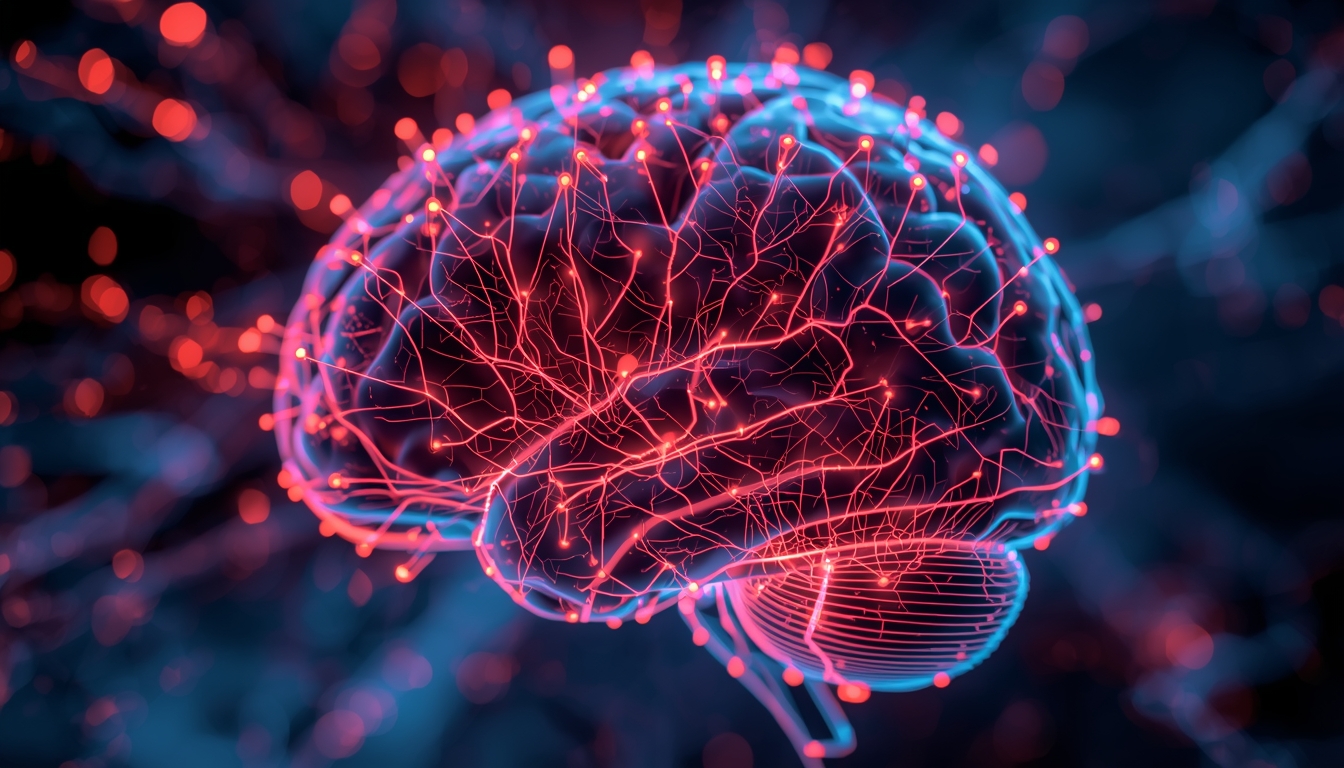
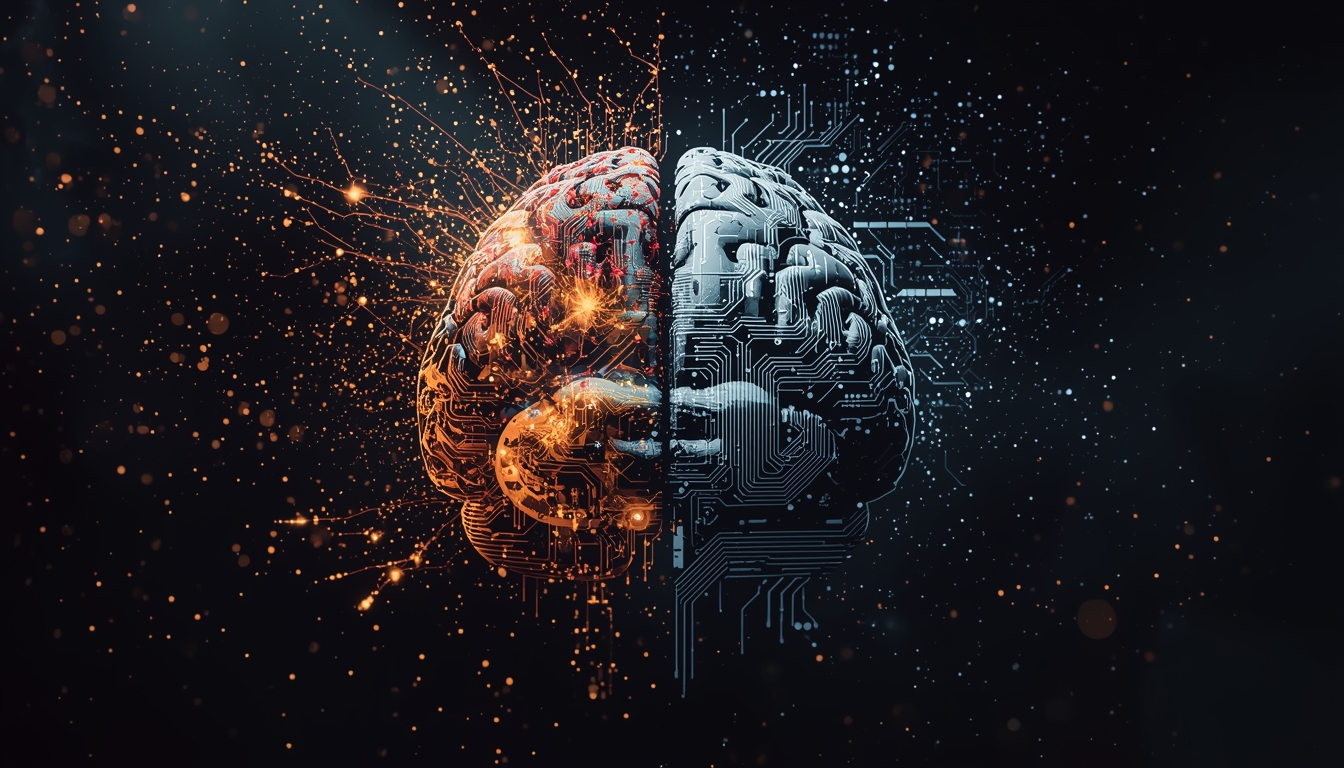
The core concern isn't just that AI is helping us; it's that it is funneling us into the same stylistic patterns. Algorithms are trained on the average of human output. Therefore, they excel at producing the most "likely" next pixel or word. This is the definition of standardization.
Scientific alarm on "algorithmic monoculture" is growing. When a million creators use the same model, they are all pulling from the same latent space. The results suffer from a lack of "outlier energy"—the very thing that drives cultural evolution.
We must ask: if our online high school courses begin to rely on AI-generated curriculum, do we risk teaching students how to think like the machine rather than how to challenge it? AI is built to find the path of least resistance. Creativity is often the path of maximum resistance.
The Neuroscience of Human Creativity vs. AI Output
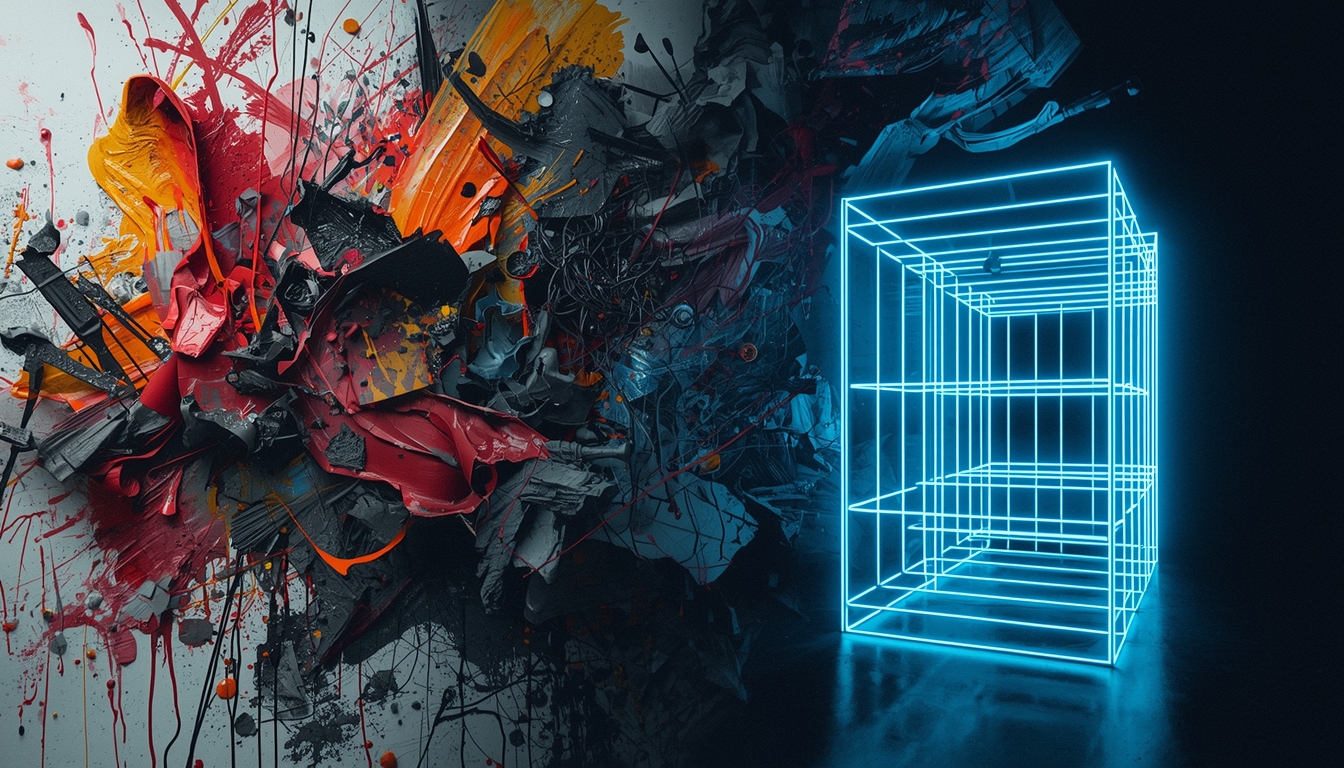
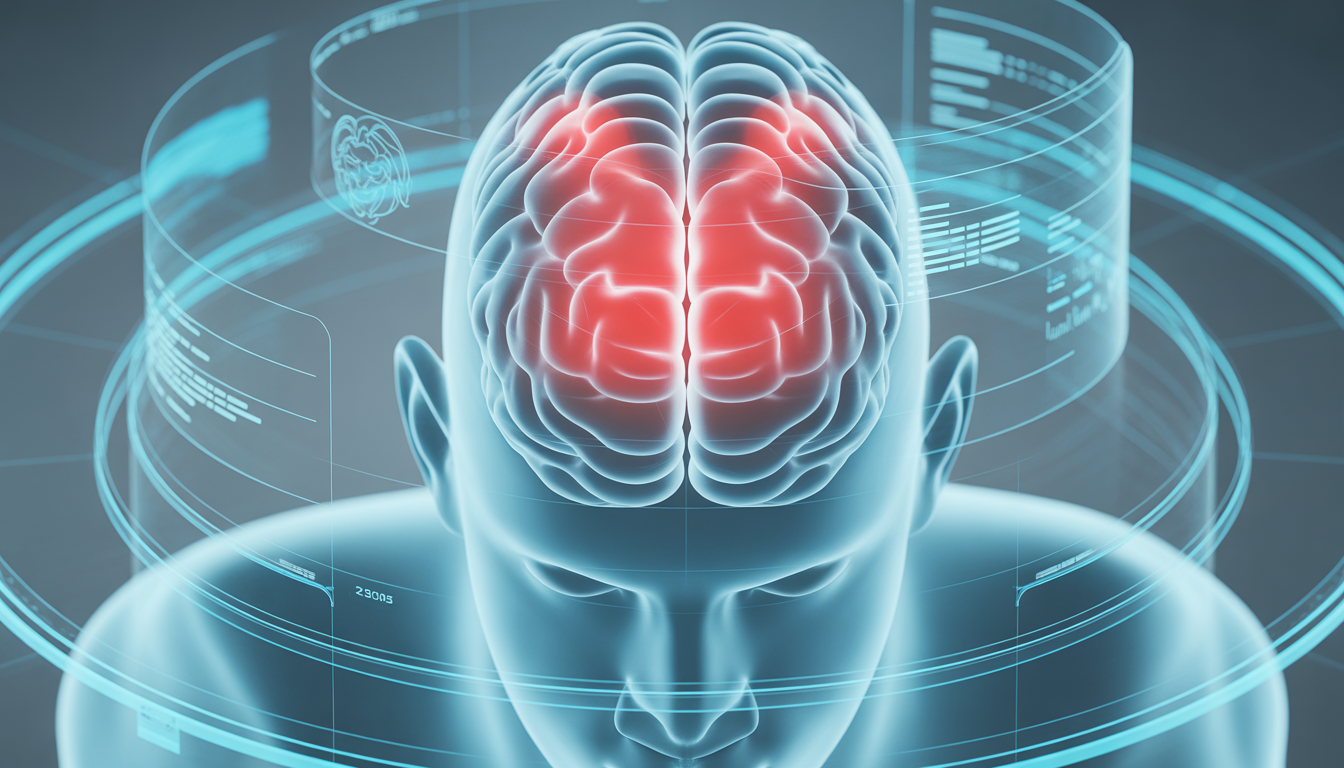
To understand why AI might be making us think the same, we must look at the wetware: the human brain. Unlike the binary logic of silicon, human thought is emergent, chaotic, and deeply rooted in physical sensation. When we teach English 1 Online, we focus on the "spark"—that moment of realization that cannot be quantified.
Capability Score
Why AI Cannot Replicate Divergent Thinking
AI is a convergent tool masquerading as a divergent one. It identifies patterns and converges on a probable outcome. True human genius often lies in the "implausible"—the connection that makes no sense to an algorithm based on probability, yet makes perfect sense once expressed. AI lacks the evolutionary pressure to be weird.
Real Risks: What We Stand to Lose
If we continue down the path of uncritical AI adoption, we aren't just looking at a "boring" internet. We are looking at a fundamental shift in human cognitive capability and cultural variety.
Risk Analysis
Creativity is a survival mechanism. Experts from MIT Sloan suggest that while AI boosts output, if we rely on it entirely to "solve" our creative challenges, we lose the "adaptive plasticity" of the brain. The fewer problems we solve ourselves, the less capable we become of solving future problems that the AI hasn't been trained on yet. We are outsourcing our resilience.
The goal is not "AI vs Human," but "Human + AI." In our latest research, we see how technology can unlock human potential rather than capping it.
Sentiment Analysis
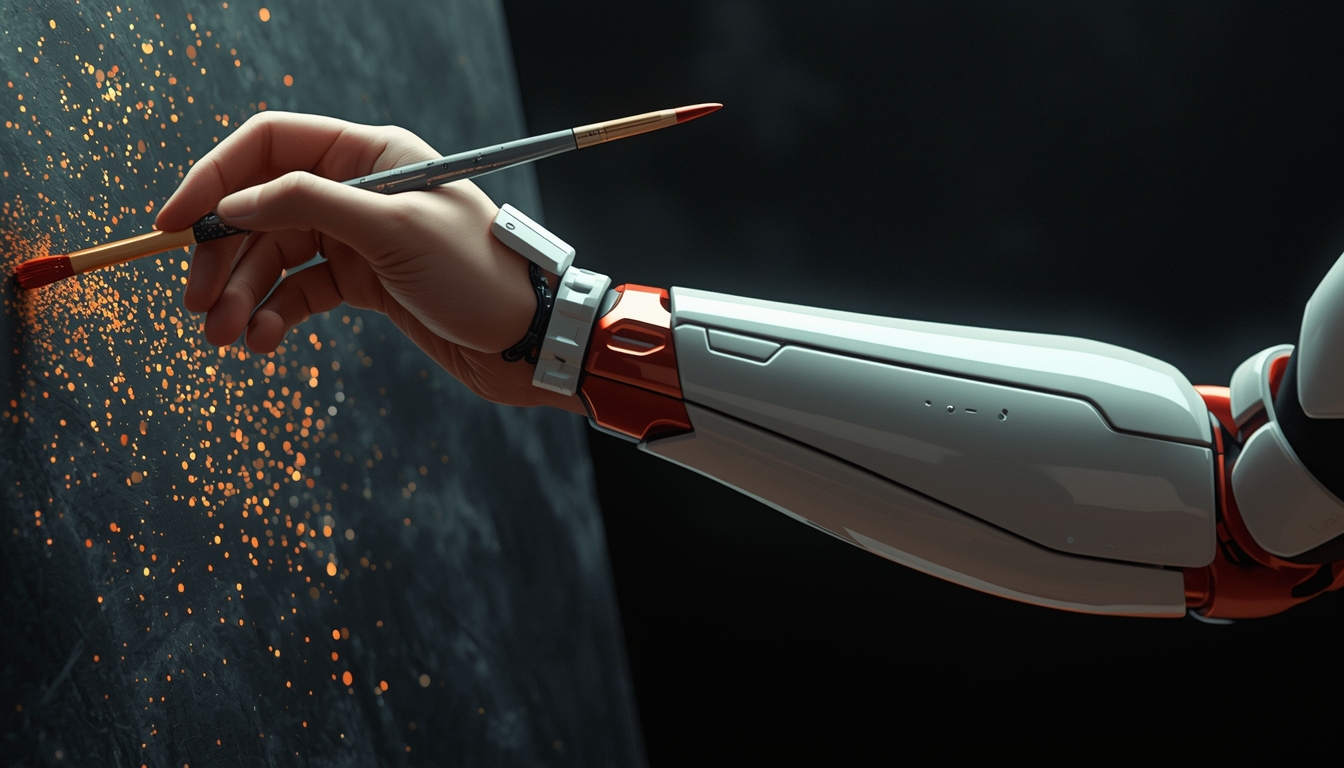
As analyzed by Harvard Business Review, AI can handle the "drudgery" of creation. In art, it can be a "super-brush." It democratizes the execution of ideas, but it should never replace the origination of them. One successful example is seeing students use AI for blueprints which they then manually build.
Sharpen Your Creative Edge
To thrive, you must treat your creativity like a physical muscle. This is especially true for those pursuing international online high school diplomas in a digital landscape.
The 5 Daily Practices
- 1. Analog Mornings: 60 mins digital-free to prevent "priming."
- 2. Deliberate Friction: Do one task manually every day.
- 3. Cross-Disciplinary Growth: Link math to art.
- 4. Nature & Boredom: No headsphones, just wandering.
- 5. Human-Only Editing: Intentionally break predictable patterns.
Building a Creativity Firewall in the Age of AI
Protect your admissions process from becoming automated to the point where "fit" is determined by a black box. The same applies to your personal brand. Your "Firewall" is your unique human perspective—your flaws, your oddities, and your specific history. These are the things the AI cannot replicate because it doesn't have your body or your biography. Your originality is your greatest competitive advantage.
Community Pulse
What is your biggest fear regarding AI creativity?
The Human Edge Forecaster
How does AI change high school subjects, and what do we actually teach?
1. Select a High School Subject:
Take the 60-Second Challenge
How AI-proof is your creativity?
Coexistence or Collapse?
We stand at a Copernican crossroads. AI is decentralizing the human mind as the sole source of "intelligence." This is the core theme of our latest report.
2030 Predictions
Research from Google DeepMind suggests by 2030, we will see "Creative General Intelligence." However, scientists argue that without biological embodiment, these categories will always feel "alien."
A Manifesto for Human Creativity
- Experience is Source: Human experience is the only true source of meaning.
- Struggle is a Feature: Neural forging happens in the "hard parts."
- Limits are Assets: Style is a byproduct of human limitation.
- We are the Masters: We remain the masters of the "Final Why."
The Brief History of AI Creativity
1950s: The Turing Test
Alan Turing proposes the first measure of machine intelligence, setting the stage for decades of debate.
1973: AARON
Harold Cohen creates AARON, the first AI program capable of creating artistic images autonomously.
2014: Inventing GANs
Generative Adversarial Networks are invented, allowing AI to "dream" realistic new faces and objects.
2022: The Generative Boom
Stable Diffusion and ChatGPT go public, decentralizing high-level creation forever.
2025: Coexistence
AI becomes a default utility; the premium shifts to "Verifiable Human Origin" works.
Frequently Asked Questions
Does AI actually reduce human creativity?
Yes and no. It raises the "floor" of competence but risks lowering the "ceiling" of originality by encouraging creators to rely on statistical averages rather than personal outliers.
Can AI ever be truly creative?
AI is combinatorially creative (it can remix). It lacks the emotional and biological impulses that drive "transformational" human genius.
How do I know if my work is "too AI-like"?
If your work feels frictionless, predictable, or lacks specific detail from your own life experience, it may be suffering from algorithmic homogenization.
What is the "Creative Firewall"?
A set of habits designed to protect the human mind's ability to ideate without digital interference, such as analog mornings and deliberate boredom.
Need more resources? Check out our Full Course Catalog or explore The Ultimate Guide for Adults.
Expand Your Horizons
Creativity isn't just human; it is the fundamental force of the universe. From the architecture of Spiral Galaxies to the biological miracles of Regeneration, deep learning begins with curiosity.