
Lenoir County's school board sat down to review two things at once: how its academic interventions performed, and where its construction projects stand. One is about whether students learned more. The other is about whether the building they sit in is finished. Only one of those gets a ribbon-cutting.
I could not pull the underlying figures for this piece, so I am not going to invent any. What follows is judgement about how these two agenda items usually play out and what parents should ask, not a report of numbers I cannot show you.
What "reviewing intervention results" usually means
An intervention is the extra help a district gives students who fall behind: tutoring blocks, small-group reading, math remediation, summer sessions. A board reviewing results should be answering one question: did the students who got the help catch up?
That sounds obvious. It is also where meetings get slippery. A district can report that it delivered an intervention (hours scheduled, students enrolled, programs purchased) and let the room assume that means it worked. Those are different claims.
If you have a student in Lenoir County schools, ask for the second one in plain terms:
- How many students entered the intervention below grade level, and how many left at grade level?
- How long did students stay in it? Did anyone age out of the program without improving?
- What happened to students who did not respond? Did the district change the approach, or run the same program again?
A district that can answer those cleanly is doing its job. A district that answers with enrollment counts is telling you something too.

The construction half of the agenda
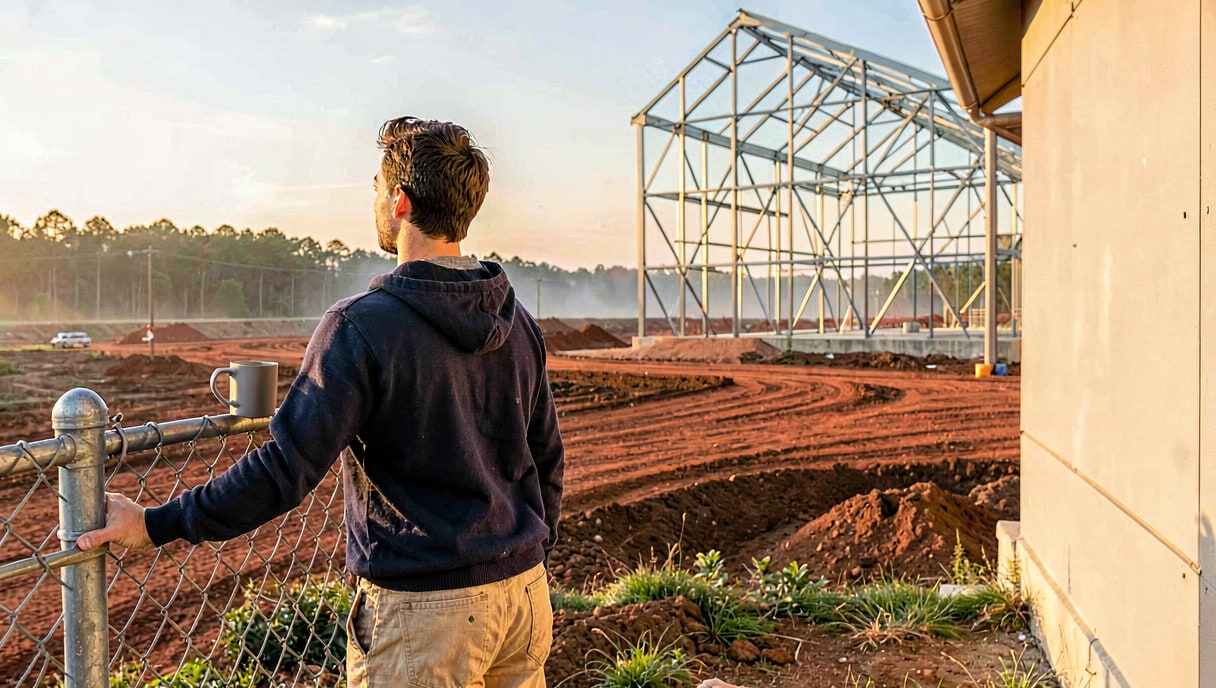
Construction updates are the easier item for a board to love. There is a schedule, a contractor, a photo. Progress is visible.
The parent question is narrower than the board's. Not "is the project on track," but "what does my student do this year while it is not finished?" Delays push classes into trailers, split schedules, and shuffle students between buildings. The cost lands on the student's day, not the budget line.
Ask for the actual completion date, what happens to instruction if that date slips, and who pays attention when it does. A construction update with no fallback plan is a hope, not a plan.
Why these two items belong together
Boards often treat intervention and construction as separate worlds: academics on one side, facilities on the other. Parents live in both at the same time.
My read, and it is judgement, not a finding: when a district is stretching to fund new buildings, intervention staffing is a line that quietly gets squeezed, because a tutor is harder to photograph than a gymnasium. If you want to know whether a district's priorities match its press, compare how much of the meeting went to each.
What you can do while the board decides
A school board moves on a schedule that has nothing to do with your student's school year. A student who is behind in reading this October does not get that time back in June.
So the practical move is to treat the board's review as information, not as a promise. If the intervention numbers are thin or the answers are vague, you have options that do not depend on a vote.
Some North Carolina families decide a change is warranted. If that is you, the mechanics are simpler than most expect, and we laid them out here: how to withdraw your child from a NC public school, step by step. Read it before you need it, not after.
Families weighing an online option can see how a program works by looking at a sample course first. Online school is not the right answer for every student, but a student who needs a different pace, or a quieter place to catch up, sometimes does better when the schedule bends around them. If you are comparing what an online high school looks like in practice, Concord Online High School shows the model, and our dropout rate breakdown for Oregon virtual schools is worth reading for the honest version of the tradeoffs.
The bottom line
A board reviewing intervention results and construction updates is doing routine business. Routine is not the same as answered. The questions that matter are the ones the update format tends to skip: did students improve, and where do they sit if the building runs late.
Go to the next meeting, or read the minutes. Ask for outcomes, not activity. Then decide for your own student on your own timeline, because the board's calendar will never match yours.