Rock County, Wisconsin
Beloit Online High School
Beloit online high school for grades 9 to 12: self-paced courses, credits counted first, and a diploma the school issues.
Enroll from homeTalk to a counselorRequest informationCall (888) 242-4262
1 Beloit windmill and a self-paced online high school
A self-paced online high school lets a Beloit student do the work in whatever hours the household has, run hard in a strong week and slow down in a thin one, while the school keeps counting every credit that gets finished.
The windmill is the easiest way to see why that matters. In 1866 a minister named Leonard Wheeler came to Beloit, Wisconsin for his health, and the following year he held a patent on a wind engine he had refined for close to two decades. The Eclipse had a second vane that kept its wheel facing the wind in light and moderate air, and turned the wheel oblique to the wind when a gale came, which protected it (Eclipse windmill). Wheeler himself called it self-regulating. It did not stop being a windmill when it turned away from the storm. It stood there, whole, and faced the wind again when the air settled.
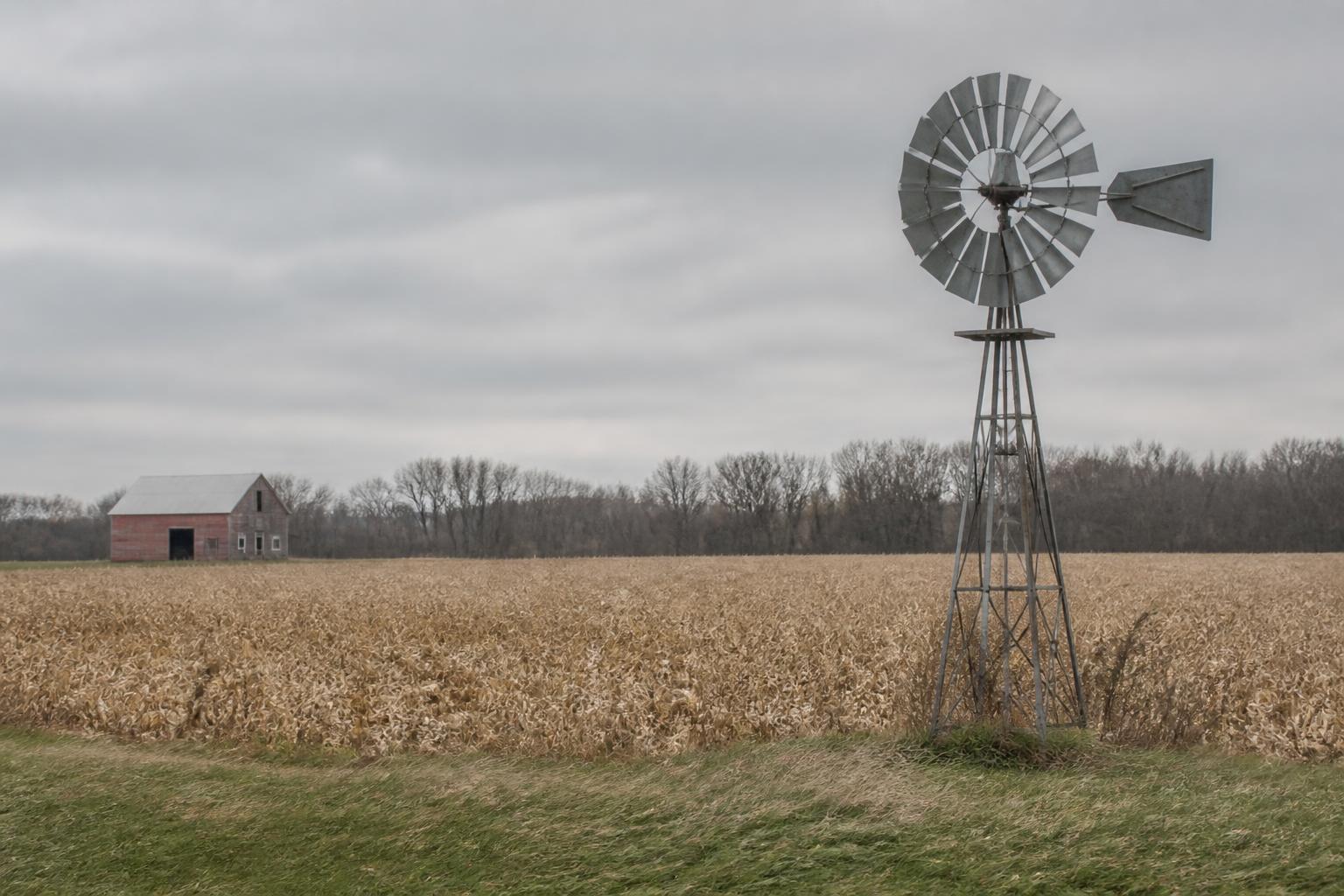
Turn from the gale. Keep the mill.
That is the whole argument of this page. A household’s weeks are not even, and a school that demands the same hours in every one of them breaks the weeks that cannot give them. Our online high school works the other way: the student sets the hours, the school keeps the record, and a hard week costs time without costing a credit. This page sits under the Wisconsin online high school hub, which covers the state as a whole. Here the subject is narrower, what a self-paced year looks like when the weather in a house changes. The self-paced online high school page explains the model in general terms, and a Beloit family can read it the same way.
For the Beloit student whose weeks do not match
If one week holds a full load and the next holds almost nothing, a self-paced course absorbs both, because progress is measured by the work submitted and not against a bell.
Families around Beloit describe uneven weeks in plenty of ways. A ballgame season takes the evenings. A family business has a rush. A grandparent needs care for a month. A teenager is simply wiped out some weeks and ready to run in others. None of that is a reason to stop school, and none of it fits a timetable that runs the same every Monday. Four kinds of week come up again and again.
Three lessons a day, an assignment submitted early, a unit finished early.
One lesson, or none. The representative following the course sees the gap, so it is noticed and not a surprise.
A trip, a hospital stay, a family job at its busiest. Work stops, the record stays exactly where it was.
The student picks the pace back up from the next lesson, not from the start of the course.
- A lesson count that has sat at zero for two weeks.
- An assignment started and never submitted.
- A student who says the course is fine and opens it rarely.
Any one of those is a reason to talk to the counselor, not a reason to panic. A counselor sets a weekly rhythm and a target finish date that is honest about the workload, and neither is a deadline that locks anyone out. An assigned student services representative follows every course, which is how a thin week becomes visible while it is still only a thin week, and that representative is the first person a family reaches when it calls to talk about how things are going.
Weeks that never match? Enroll from home, or call (888) 242-4262 and ask how the weekly rhythm works.
A thin week costs pace, not credit
Credits are counted before any course is assigned and recorded as each course is finished, so a stretch away from the work leaves earned credits exactly where they were.
That is the part of the windmill that carries over most directly. A gale did not remove the blades. In the same way, a month of trouble does not remove the English credit finished in October. The record is kept by the school, in one place, and the student faces the next lesson when the air settles. A student arriving from another school gets the same treatment on day one: the counselor reads the record, says which earlier credits carry over, and builds the plan from what is left. The transfer credit page explains how a record is read course by course.
Does a month away mean starting the course over?
No. The lessons already finished stay finished. The student opens the next lesson, and the counselor’s plan shows how much is left.
Sometimes the count turns up a course that was failed or left unfinished. That does not mean starting a year over. Credit recovery lets the student retake that single course while the rest of the plan keeps moving around it, and the student stays on the same track as everyone else heading to the same 24 credits.
Who signs a diploma for homeschoolers?
A diploma for homeschoolers can be signed by the parent who taught the courses or by a school that graded them, and the answer decides who keeps the record for the next four years.
Searching for a diploma for homeschoolers near Beloit, Wisconsin, turns up both kinds of answer in the same list, and the words are used loosely. Some families choose the first path on purpose and keep their own binder. Others discover halfway through that they would rather the school be the registrar. Either way, it is worth knowing what each path asks of an adult before the first course starts, and the graduation credit requirements page lays out what a credit is and how a full set of 24 is built across English, mathematics, science, social studies and electives.
Two kinds of diploma for homeschoolers, side by side
Claim
The family writes the transcript and signs the diploma.
Reality
Possible, and common. The parent is then the registrar, the grader and the record keeper for four years.
Claim
An online school only hands the family a set of lessons.
Reality
Here the school grades the work, keeps the transcript and issues the diploma once 24 credits are complete.
Claim
Choosing a school record means giving up the home schedule.
Reality
The hours stay the household’s. Only the record-keeping moves to the school.
- Transcript
- The list of courses, grades and credits. Whoever keeps it answers every later question about it.
- School of record
- The one that grades the work and signs the diploma. Here, the school.
- Credit
- One finished course, counted toward the 24 the diploma asks for.
A diploma is only as good as the record behind it.
With us the diploma is the school’s. A student who completes all 24 credits earns an online high school diploma, and the courses behind it belong to an accredited online high school, so the diploma is not a certificate the family printed at home.
Not sure whose name goes on the diploma? Call (888) 242-4262 and ask a counselor.
Online homeschool high school: home hours, school record
An online homeschool high school keeps the home schedule and moves the grading, the transcript and the diploma to the school, which is the only difference that changes the parent’s workload.
Families looking for an online homeschool high school near Beloit, Wisconsin, are usually weighing two real things: how much of the teaching they want to own, and how much of the paperwork. The table below sets the two out in the plainest terms. Neither is wrong for every household, and comparing online, homeschool, and public school goes further into what each choice asks of a parent.
A family that begins on its own and later wants a school-kept record is not starting over. Whatever was done at home gets read in the count the same way as any earlier credit, and home education programs and a school-kept transcript can sit in the same plan. The parent still sees every grade, and nobody at the kitchen table has to be the registrar.
Online high school programs: read all four years first
The online high school programs for grades 9 to 12 run on one track of core courses and electives, so reading the four years once makes every later week easier to plan.
Anyone searching for online high school programs in Beloit, Wisconsin, is really asking what the four years contain. Our online homeschool programs are covered in full on their own page; this is the high school core on one screen.
Each grade has a page of its own: 9th grade online, 10th grade online, 11th grade online and 12th grade online. The American curriculum page shows how the years fit together, and the high school courses catalog holds the electives that fill out the rest of the 24 credits.
English runs from English 1 through English 2 to English 3. Mathematics moves from Algebra 1 to Geometry, Algebra 2 and Pre-Calculus. Science starts with Biology and goes on to Chemistry and Physics. Social studies covers World History, United States History, U.S. Government and Economics.
Ready to see the plan for your own student? talk to a counselor, or enroll from home this month.
Online high school for a Beloit senior near done
A senior with most of the 24 credits already earned can finish high school online by taking only the courses that remain, at whatever speed the last few require.
Some students leave a building at seventeen with the finish line in sight and a handful of courses unfinished. They are not a starting-from-zero case, and the plan should not treat them as one. The count comes first, so the counselor reads the record and the remaining list is exactly what is missing: two English credits, a science, an elective.
| Credit | Where it fits |
|---|---|
| English | First, because later courses lean on it. |
| Science | Alongside English, in the same stretch. |
| Elective | Last, chosen to match what the student wants next. |
A senior needs the list of what is missing, not the whole year again.
A senior can run the remaining courses back to back in a strong stretch or space them across months. A course the student already tried once becomes a credit recovery course instead of a repeat of the whole year. Parents who are not sure how many credits their student has can send a report card or unofficial transcript and the counselor will count. Younger children at home have a grade-by-grade path too, on the Wisconsin K-12 online home school page.
At the creek mouth, a first call
The quickest way to begin is a first call with the latest transcript beside the phone; the count, the plan and the start month all come out of that single conversation.
Beloit is a Rock County community on the Illinois line, and the old village was placed where Turtle Creek runs into the Rock River because mills could run on both. A short walk from the water stands Beloit College, founded in 1846. Students here grow up beside a lot of local history, and an afternoon on the riverbank with a folder of old report cards is as good a place as any to plan the next stretch. Neighbors up the river in Janesville and farther north in Madison work through the same courses toward the same 24 credits.
- Gather the record. A report card, an unofficial transcript, any homeschool records. A phone photo of each page is enough to begin.
- Enroll. The application takes the student’s details and runs from home.
- Hear the count. The counselor says which credits carry and which courses remain.
- Read the plan. The remaining courses in order, with a weekly rhythm and a target finish date.
- Begin. In whichever month the family picks, with a student services representative assigned.
The admissions process page walks through the same steps with the forms attached, and the students and parents page collects the everyday details. High School of America runs one online school for every grade, and enrollment is open in any month.
Send one record, then name a month to begin
Two things start the plan: the most recent transcript or report card, and the month the family wants to begin.
The windmill earned its place in Beloit by being built to take whatever weather arrived and still be standing afterward. A school year can be built that way too. The weeks will not match; the record is there either way, kept by the school, counted before anything is assigned.